Kristen A. Schmitt, writing at Smithsonian Magazine:
The test kit, which remains effective for up to 12 months, is simple to use. After carefully removing the tick with either tweezers or a tick-removal tool, you place it into the kit’s “Tick Crusher.” The grinder pulverizes the tick’s chitinous exterior, exposing the internal contents where the Borrelia burgdorferi is located. A patent-pending buffer solution readies the sample for testing. The user then inserts a test strip into a slot in the grinder. The strip’s chemically treated nitrocellulose paper functions as an immunochromatographic assay that can detect the presence of Borrelia burgdorferi.
As someone who is often out in areas where ticks are common, this is great to hear. California, where I live and ride MTB most often, isn’t a Lyme hotspot, but I’ve still had my share of tick discoveries post-ride, and this would definitely be welcome when that happens. At $50 each, with a 12-month shelf life, it’s probably a bit expensive, but I’ll certainly put one in the medicine cabinet anyway.
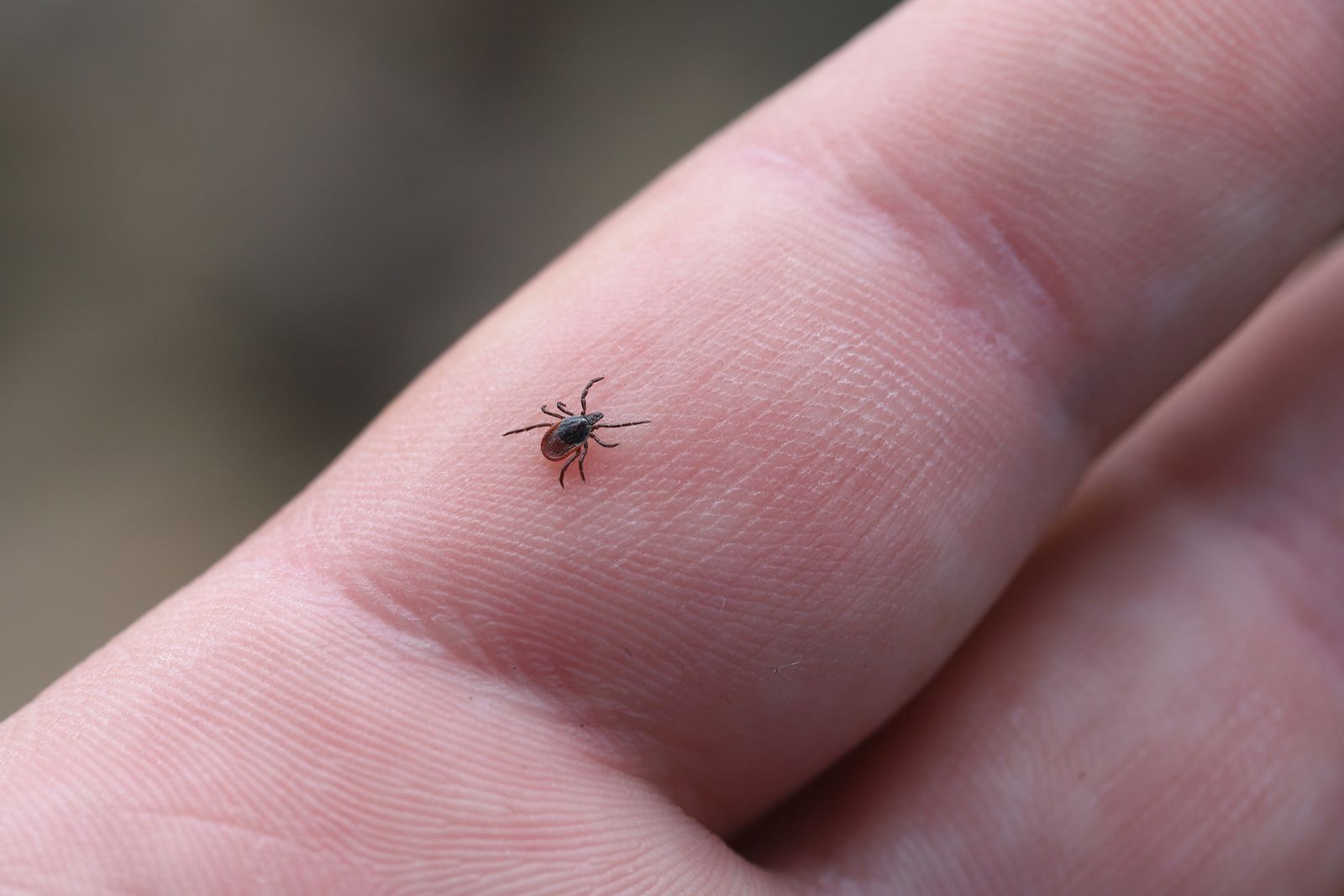
The First At-Home Test for Infected Ticks Could Improve Lyme Disease Diagnosis
LymeAlert will hit the market in August. The latest tool against the tick-borne illness could become a medicine cabinet staple